
Critical infrastructure preservation for a harder operating environment.
Preservation 2 tracks the shift from maintaining buildings as objects to preserving infrastructure as operational capacity under modern physical, environmental, technological, and adversarial stress.
Infrastructure risk, translated into preservation decisions.
Preservation 2 tracks credible threats, infrastructure failures, and hardening strategies across energy, grid, public-sector, industrial, data-center, and defense environments.
Recent resilience topics
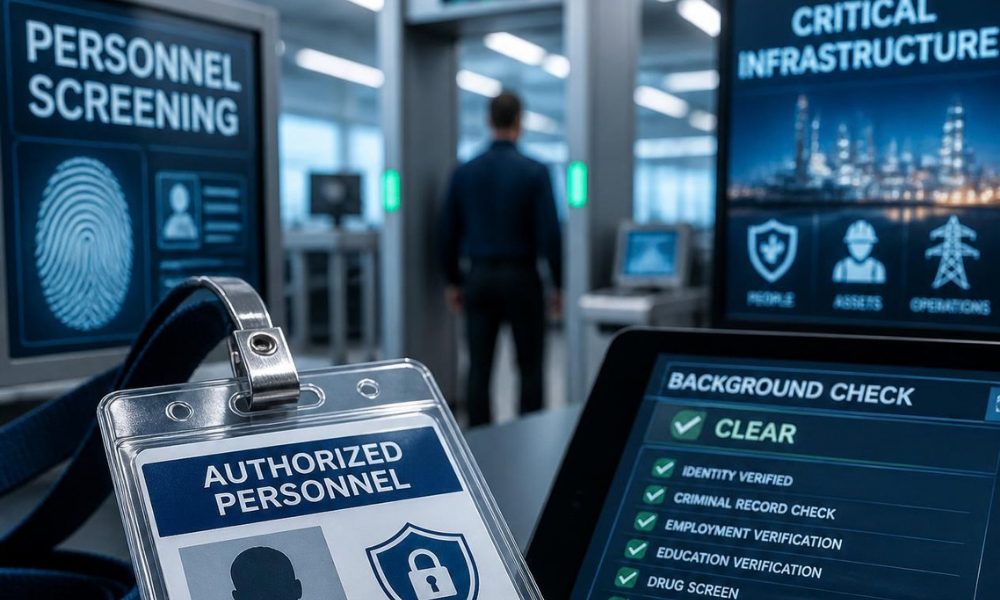
Personnel Screening: The Overlooked Layer
The people who hold badges, credentials and system access are part of the perimeter. Background screening is a personnel-risk control with the same logic as fencing or CIP-014 compliance.
CIP-014-4 Is Approved. The Clock That Matters Is Not 2028.
Approved September 10, 2026 and effective October 1, 2028. The compliance date is later than the date the work has to start.
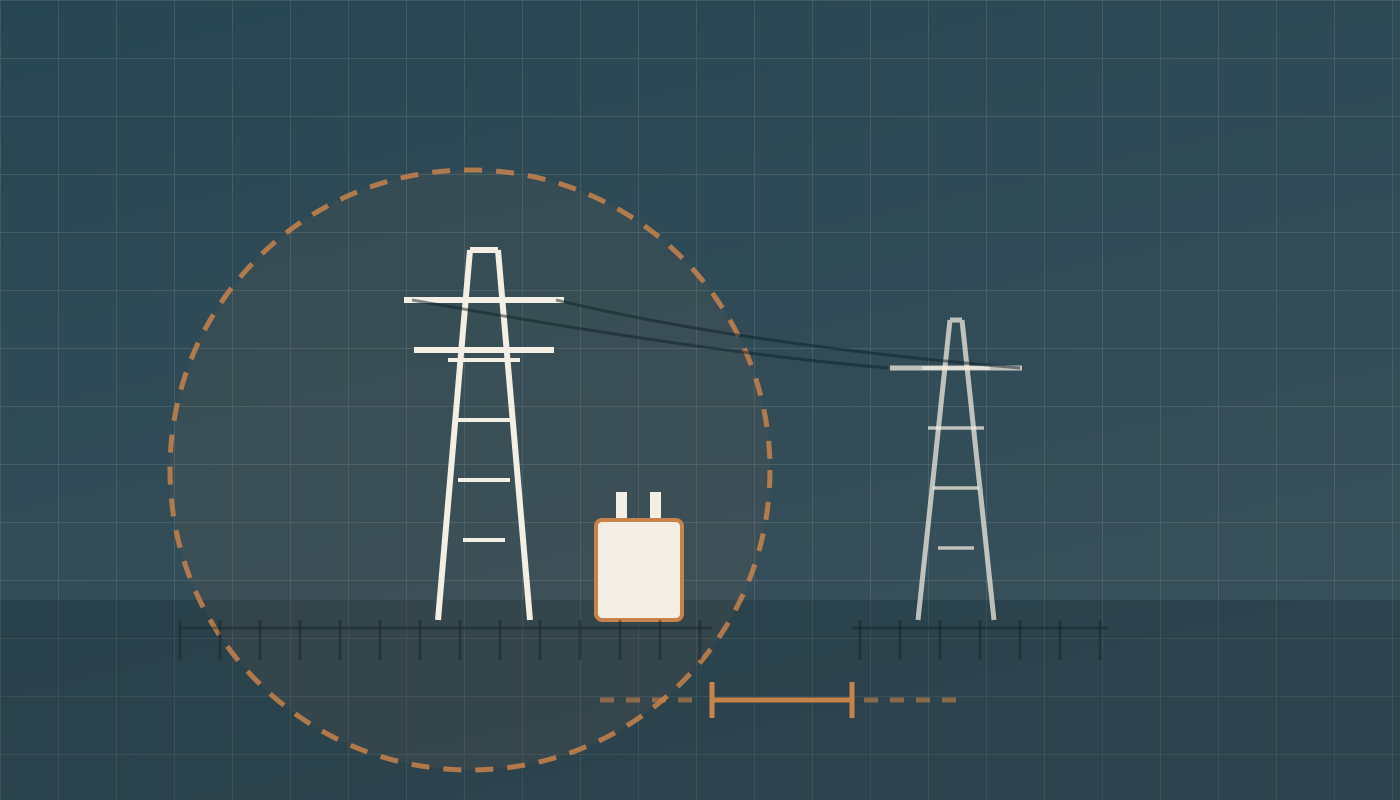
BESS Sites Need More Than a Fence Line
Battery energy storage projects are infrastructure assets. Site security should account for thermal exposure, responder access, standoff, ballistic risk, and cascading-loss scenarios.
NERC CIP-014 Turns Physical Security Into an Executive Risk Question
CIP-014 is not a product checklist. It forces owners to identify critical stations and substations, assess threats, and implement physical-security plans appropriate to system impact.
The Retrofit Decision: Preserve, Harden, or Replace?
Modern preservation compares mission risk, downtime, construction cost, embodied carbon, and procurement constraints before deciding whether to preserve, harden, or replace an asset.
Critical Facilities Need Layered Protection, Not Single-Point Solutions
Ballistic materials, access control, standoff, fire response, screening, and continuity planning only work when they are engineered as a system.
Turn infrastructure concern into an executable protection path.
Use Preservation 2 to frame the asset, the consequence, the threat environment, and the retrofit options before a project becomes harder and more expensive to change.